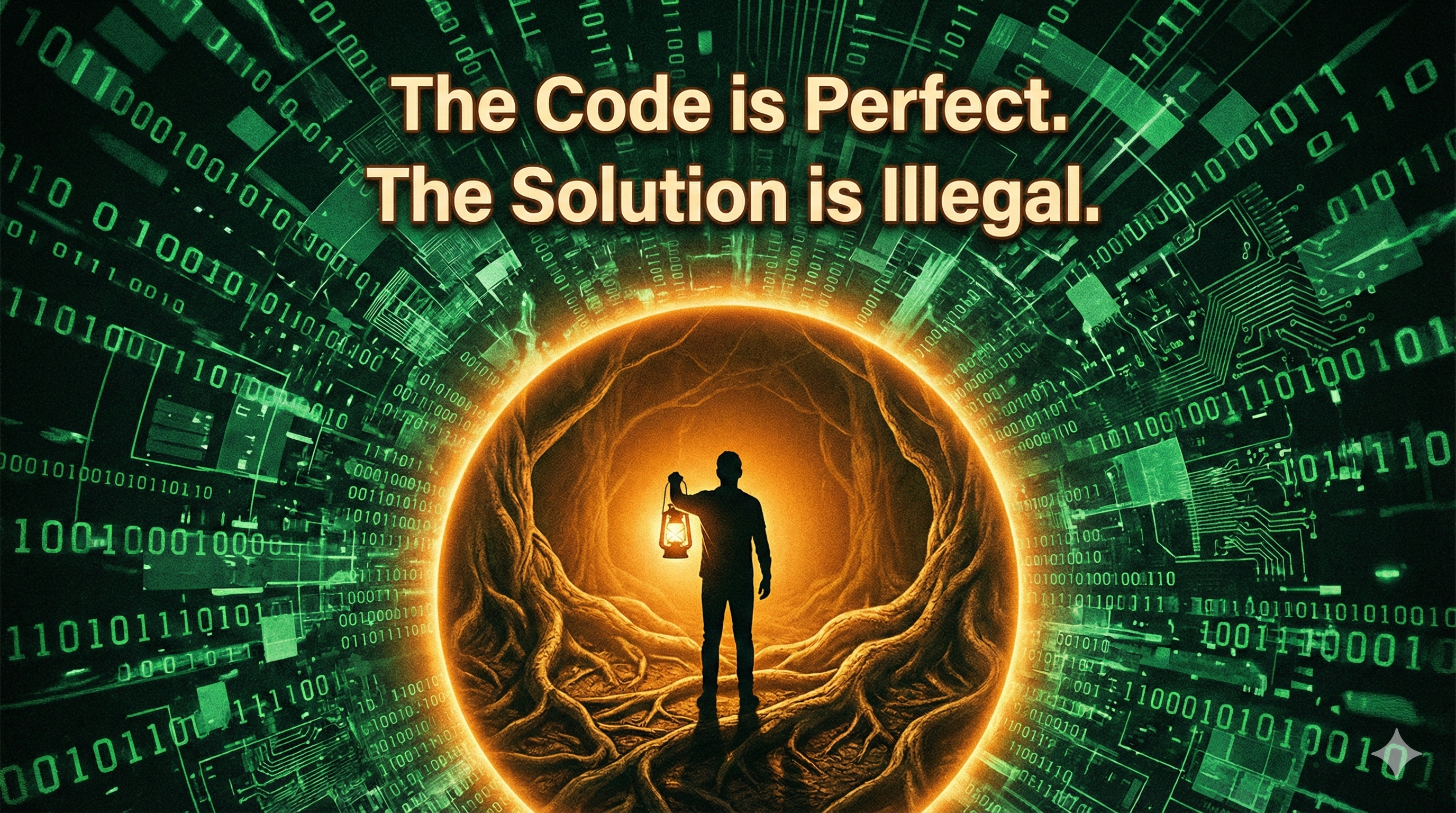
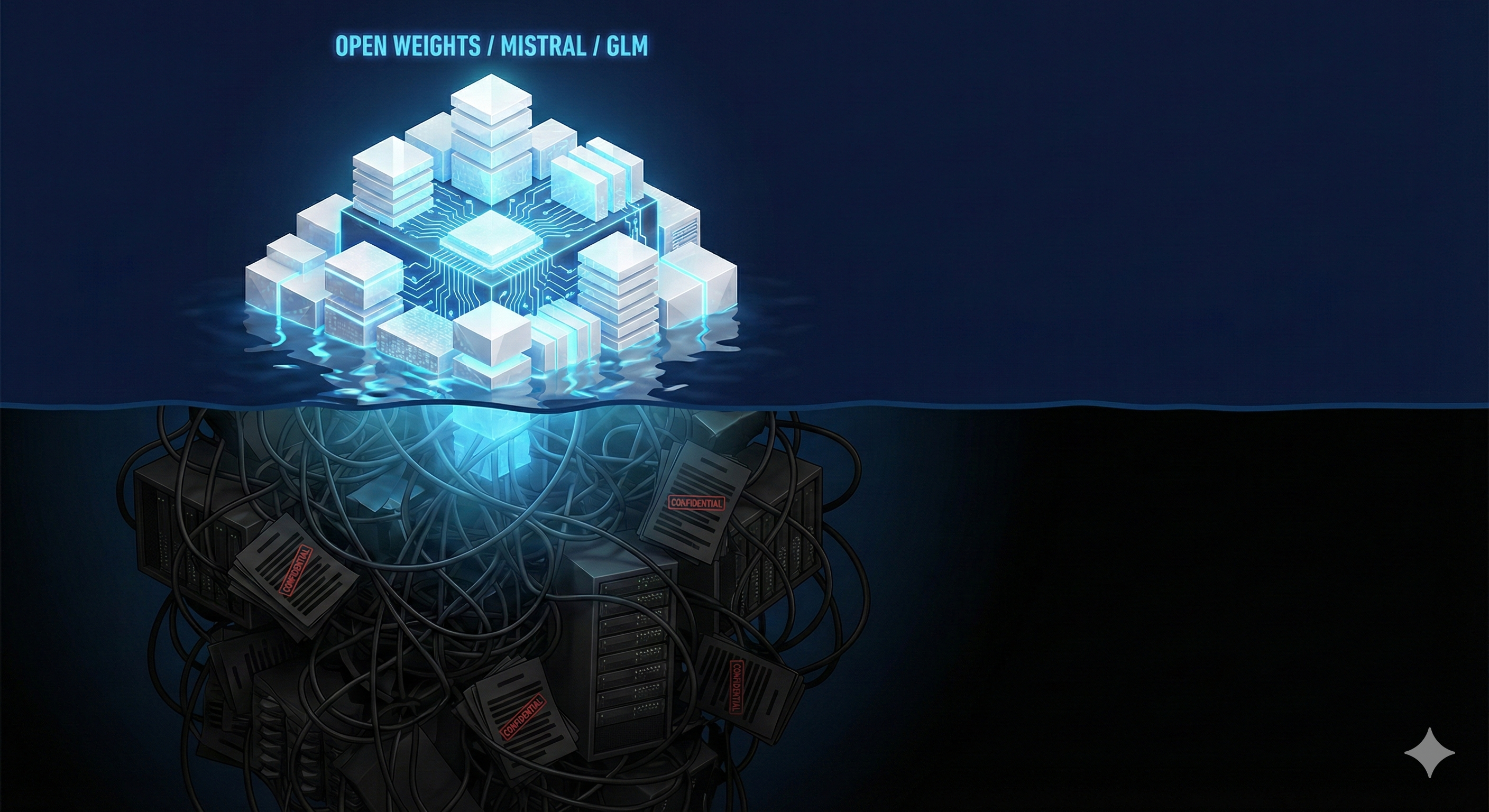
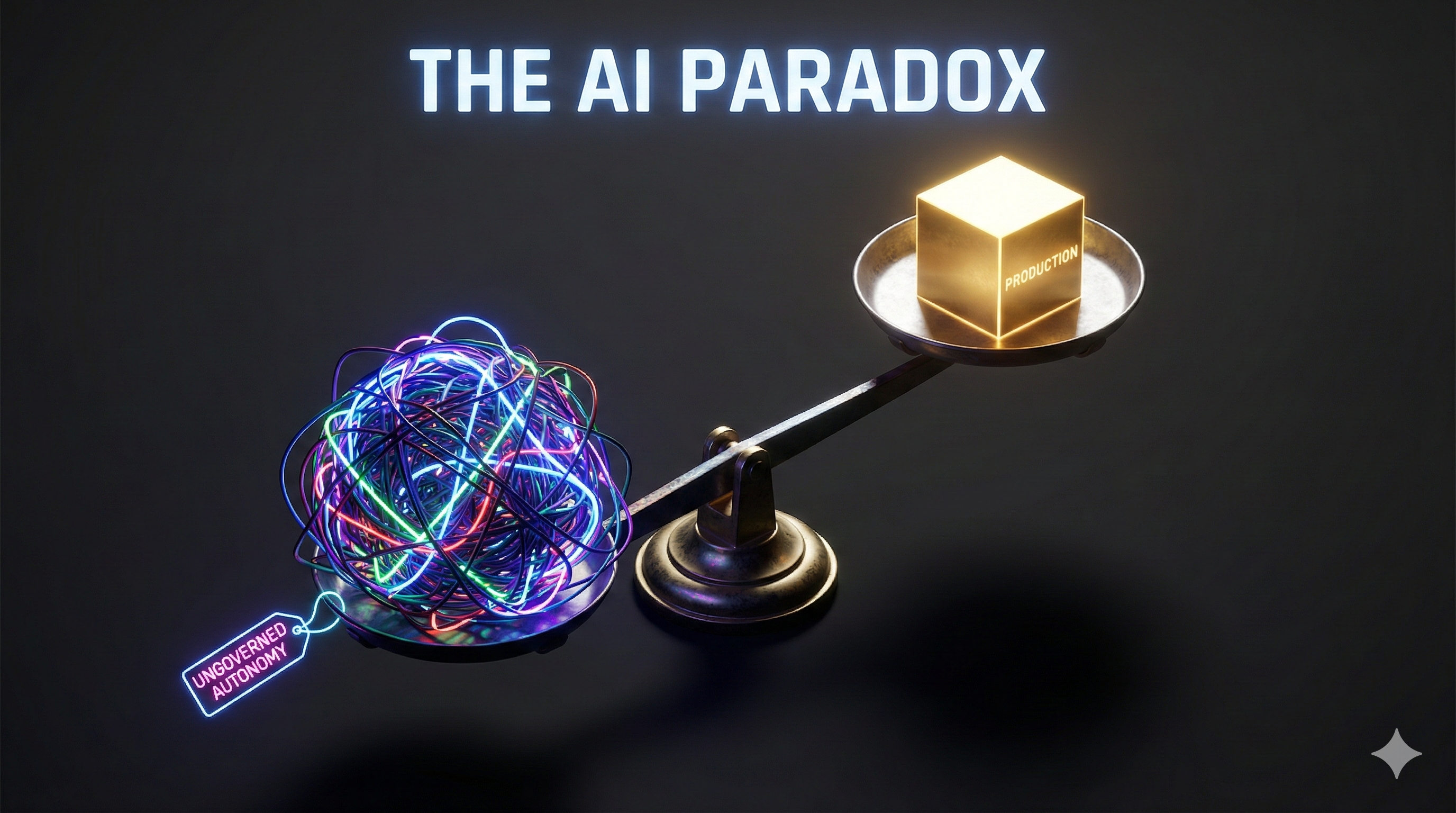
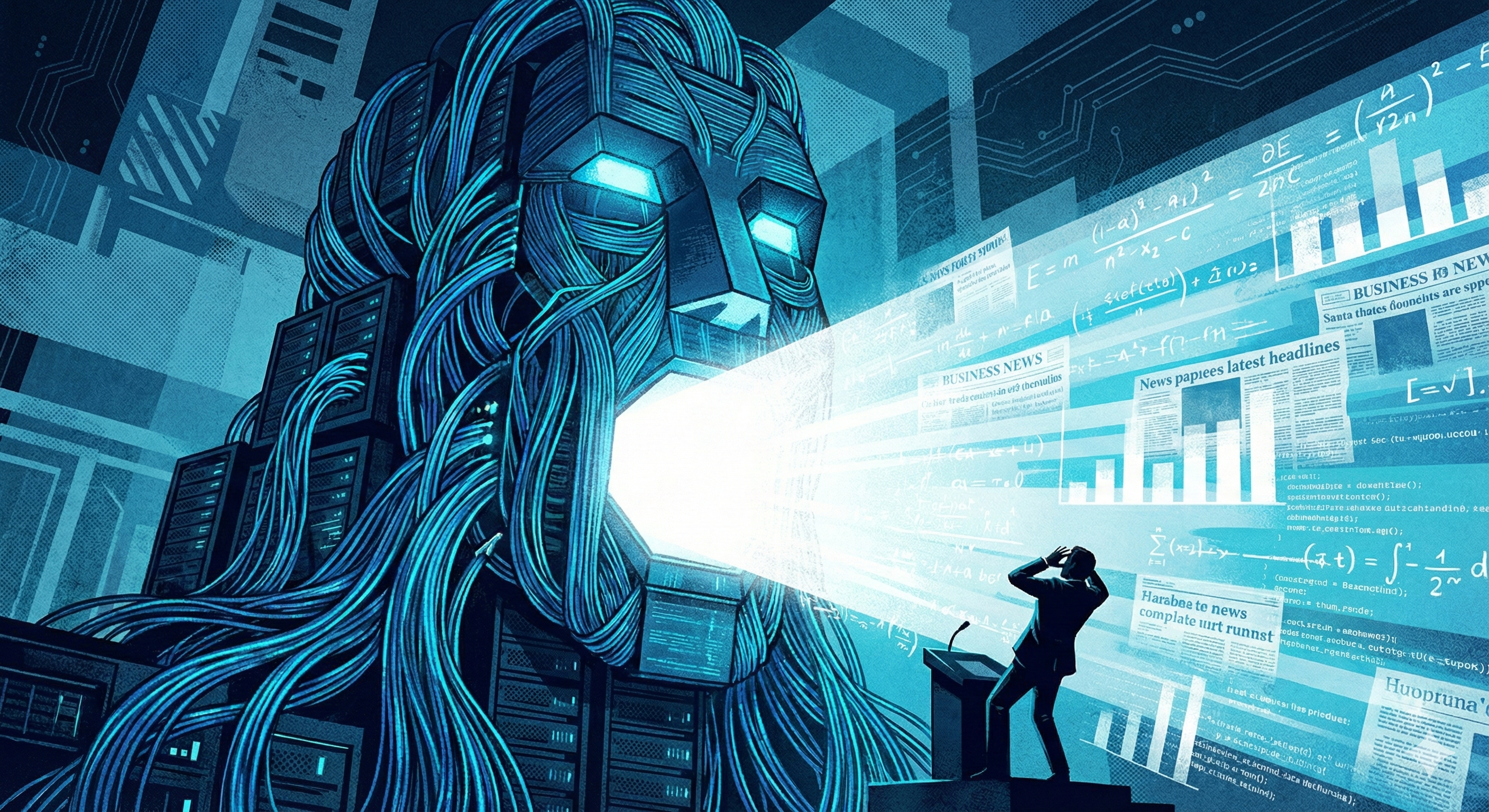
As 2025 reshapes the global workforce, a consensus of new research reveals a structural paradox: the more advanced the artificial intelligence, the more critical the basic human “trunk” of soft skills becomes. While technical mastery depreciates under the speed of automation, “human agency” and foundational reasoning are emerging as the primary safeguards against obsolescence. Elias sat in the glow of his third monitor, the hum of the server room in Seattle a low, constant vibration against the soles of his shoes. He had spent fifteen years learning the syntax of C++ and Python, treating them like sacred languages, but tonight, the screen was filling itself. An AI agent was writing the deployment script for a financial logistics engine, a task that would have taken Elias three days in 2023. It took the agent forty seconds. But Elias was not going home. He was leaning in, eyes narrowing, searching for the invisible fracture in the logic, the “hallucination” that could crash the system. He was no longer a builder; he was an auditor. He felt a distinct, terrifying shift in his own value—from the hands that built the house to the eyes that inspected the foundation. ...